
International Women's Day, also known as "March 8th Women's Day," originated from the United Nations Day for Women's Rights and International Peace. This holiday aims to commemorate and promote the efforts of women worldwide in striving for peace, equality, and development. For over a century, countless women have stood up and fought for their rights. On March 8, 1908, 150,000 textile workers in New York City, holding high the banner of "Bread and Roses," ignited the flame of women's equality with their lives. This 13-week strike not only directly originated from the modern International Women's Day but also marked the beginning of a century-long journey of women's self-awakening.
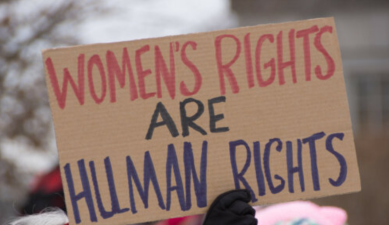
The Role of Women in Global Revolutions
In Copenhagen in 1910, Clara Zetkin, with her powerful call to action, ignited revolutionary sparks scattered around the world, transforming them into a raging fire. Looking back at history, from Russian female workers igniting the flames of the February Revolution with the slogan "Bread and Peace," to thousands of women in Guangzhou, China, led by He Xiangning, shouting "Abolish polygamy," the heroic deeds of women have left a profound mark on every page of history. They were the unsung fighters behind the barricades of the Paris Commune, the vanguards singing revolutionary songs under the Soviet red flag, and the resilient figures beside the spinning wheels in the cave dwellings of Yan'an. Modern women have demonstrated extraordinary courage in major historical events, such as the February Revolution and the Yan'an era, consistently playing a crucial role in the revolutionary ranks, further consolidating their place in history.
Modern Women's Achievements and International Recognition Every strike and rally profoundly subverted the traditional notion that "wearing a light jacket makes one feel good." They abandoned the embroidered garments of the boudoir, donned the battle robes of the times, and integrated their personal emotions and destinies into the collective struggle and epic of history. Just as new buds sprout after plum blossoms have faded, the Moscow resolution of 1921 designated March 8th as a global day of remembrance for women. Since then, the scattered voices of resistance have converged into a mighty river, flowing into the vast ocean of equality.
Global Protests and Awakening: Women's Voices Grow Stronger
Globally, numerous women have spoken out for their basic rights. In late 2022, Iran erupted in large-scale protests sparked by the death of 22-year-old Mahersa Amini, who died in custody after being arrested for wearing a headscarf, a garment deemed unsuitable for Islamic law. Her death ignited nationwide anti-government protests, with tens of thousands of women taking to the streets, chanting slogans like "Women, Life, Liberty," demanding the overthrow of the oppressive policies of the one-party dictatorship. Despite the severe crackdown, this event marked a new peak in the global women's rights movement, demonstrating women's courage and determination in the face of authoritarianism.
The women's actions in Iran are merely a microcosm of the global women's movement. In recent years, women around the world have demonstrated unprecedented unity and strength in their fight for social justice, economic opportunity, educational equality, and against gender-based violence. From the #MeToo movement in the United States to protests against gender-based violence in India, women are continuously striving for broader rights and freedoms.
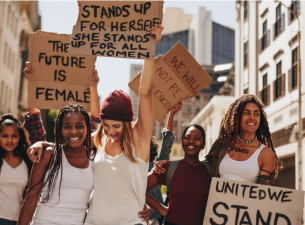
Legal Progress in Gender Equality: But Gap Remains
In many countries, the legal framework for gender equality is constantly improving. For example, women in Western countries have made significant progress in areas such as voting rights, educational opportunities, and career development. Even so, legal progress cannot completely eliminate deep-seated gender discrimination in society. In some countries, women still face systemic inequalities in areas such as pay and career advancement; in some traditional cultures, women's self-expression and freedom of dress remain restricted.
A report by the Organization for Economic Cooperation and Development (OECD) points out that although countries have made some progress in promoting gender equality, the labor force participation rate and wage gap for women still exist globally. These phenomena reflect that even with legal protection, gender discrimination and societal constraints still affect women's comprehensive development.
Women's Power, Empowering the Future
In recent years, the global struggle for women's rights has witnessed tremendous growth. From the awakening of power on social media to the gradual improvement of laws and policies, women's voices are gaining increasing attention across various fields. However, true gender equality remains a long-term social task, and women's rights urgently need comprehensive protection in areas such as law, education, employment, and culture. Whether fighting for freedom of speech or striving for more equal job opportunities, women are using their wisdom, courage, and perseverance to paint a magnificent blueprint for the future.